Much of the natural world happens out of sight.
Some species live underground, underwater, or emerge only at night. Others are small, cryptic, or easily overlooked unless you know where—and how—to look. Through years of research, teaching, and fieldwork, we’ve spent a lot of time in these hidden places: caves and groundwater systems, headwater streams, forest floors, and overlooked corners of familiar landscapes.
What we’ve learned is that discovery alone isn’t enough.
The Gap Between Science and Awareness
Ecologists and conservation biologists have long documented extraordinary biodiversity, including species found nowhere else on Earth. Yet many of these organisms remain unknown beyond a small circle of specialists. When people don’t know what exists, it becomes harder to care about protecting it.
When people don’t know what exists, it becomes harder to care about protecting it.
This disconnect is often described as biodiversity naivety—a growing lack of familiarity with the diversity of life around us. It’s closely related to other concepts you may have heard, including nature-deficit disorder, plant blindness (now more often called plant awareness disparity), extinction of experience, and shifting baseline syndrome. While these terms differ in origin and emphasis, they all point to the same underlying issue: as our daily lives become more disconnected from nature, our understanding of it fades.
3N was created as a small response to that much larger challenge.
Why Stories Matter
Scientific papers and technical reports are essential, but they rarely reach broad audiences. Stories, images, and explanations—especially when grounded in real science—can reach much farther.
3N: Niemiller Nature Notes is a place to share those stories.
Here, we’ll write about what it’s like to work in the field, how scientists study rare and hidden species, and why certain ecosystems matter even if they’re rarely seen. Some posts will focus on research and conservation. Others will explore education, photography, or simple moments of curiosity outdoors.
All of them share a common goal: making biodiversity more visible, relatable, and meaningful.
A Family Perspective
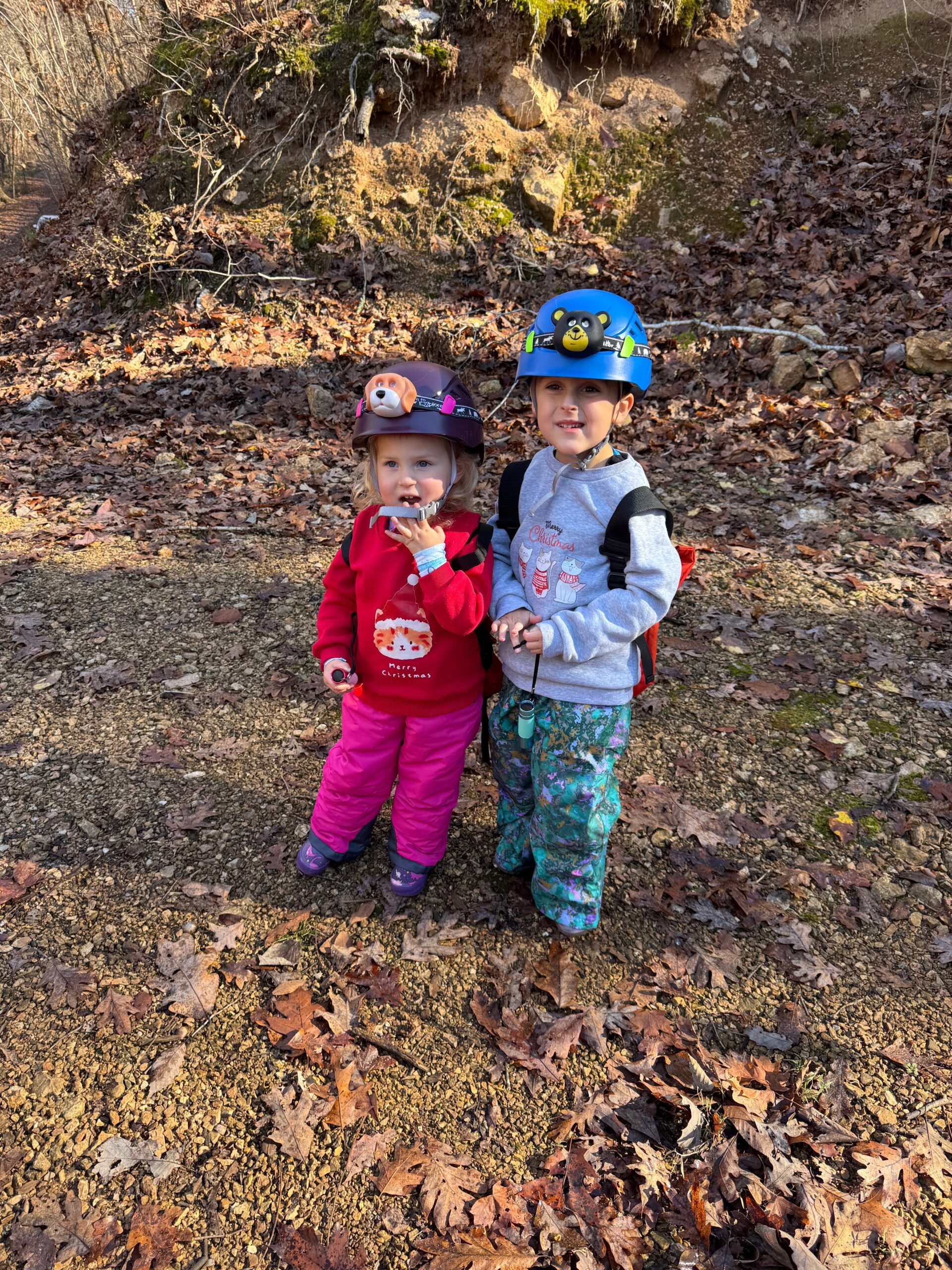
Niemiller Nature is a family-owned business, and that perspective shapes everything we do. Our children, River and Evie, are often part of our field days, design discussions, and outdoor explorations. They ask honest questions, notice small details, and remind us that curiosity comes naturally when we’re given the chance to experience the world firsthand.
Watching how they engage with nature reinforces why outreach and education matter—not just for scientists or students, but for families, communities, and future generations.
What You’ll Find in 3N
Think of 3N as a collection of notes rather than a formal journal. You’ll find:
- Field stories and behind-the-scenes research experiences
- Clear explanations of conservation science and methods
- Photography-driven reflections on wildlife and ecosystems
- Educational ideas and outreach experiences
- Family-friendly observations and moments of discovery
Some posts will be detailed; others will be short and reflective. All are grounded in a shared respect for wildlife, ethical field practices, and a desire to foster understanding rather than overwhelm.
An Invitation
3N isn’t about having all the answers. It’s about paying attention, asking questions, and learning as we go. Whether you’re a scientist, educator, student, or simply someone curious about the natural world, we hope these notes encourage you to notice what’s around you—and maybe look a little closer.
Welcome to 3N: Niemiller Nature Notes.