Description
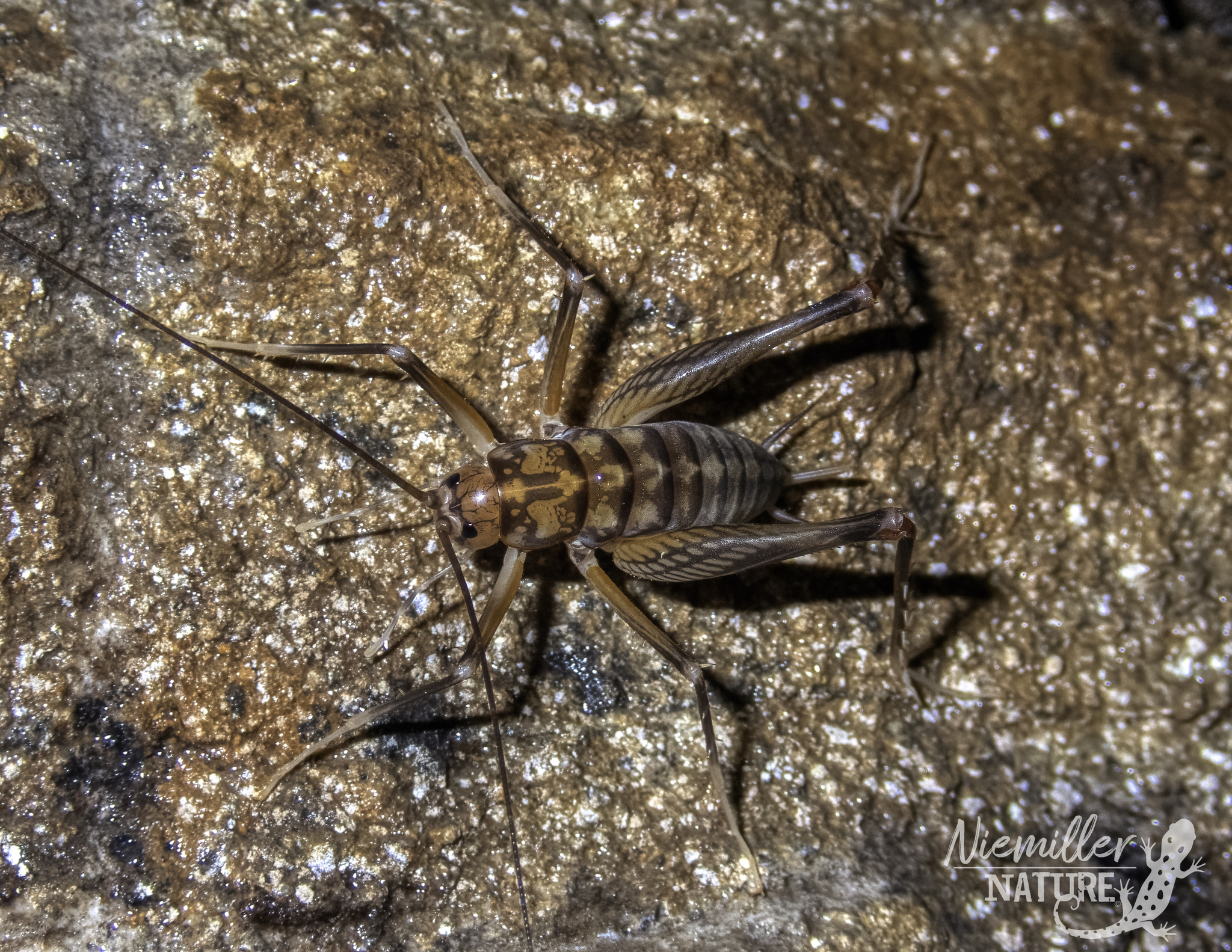
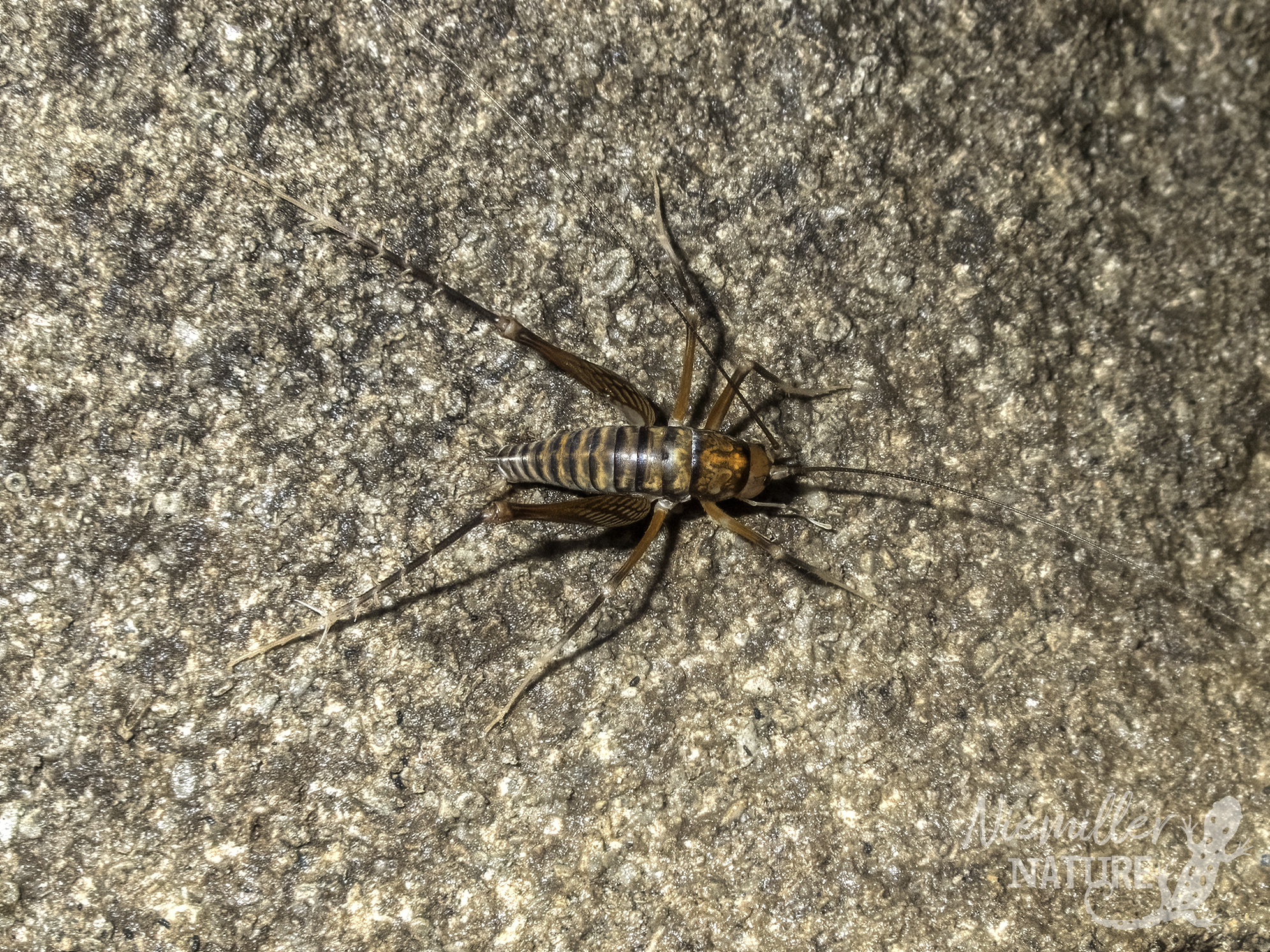
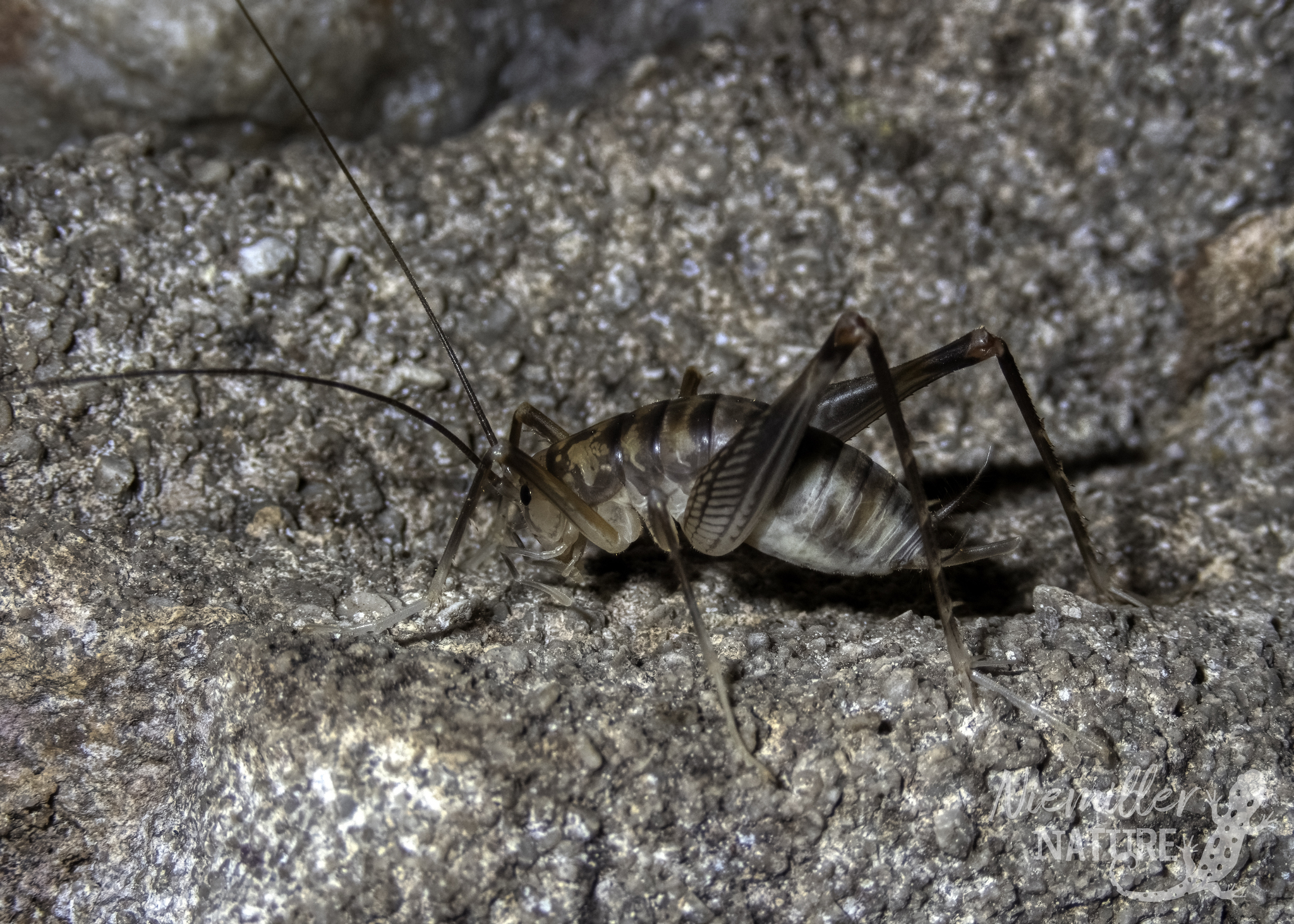
Cave crickets, also called camel crickets, are medium-sized, wingless insects known for their distinctive humpbacked appearance. They range from about 15 to 25 millimeters (up to 1 inch) in body length and have extremely long legs and antennae that sometimes three or four times the length of their body. Their coloring is pale yellowish-brown. Unlike field crickets, cave crickets do not chirp; they lack the sound-producing organs needed to sing. Their large legs are built for jumping, giving them a spider-like silhouette that startles many first-time cave visitors.
Distribution
Species in the genus Ceuthophilus are found throughout North America, ranging from the eastern United States west into the Great Plains and Southwestern United States. In the eastern U.S., they are strongly associated with caves, old mines, culverts, and rock shelters. They are among the most commonly encountered cave-associated animals in caves of the Appalachians, Interior Low Plateau, and Ozarks karst regions.
Habitat
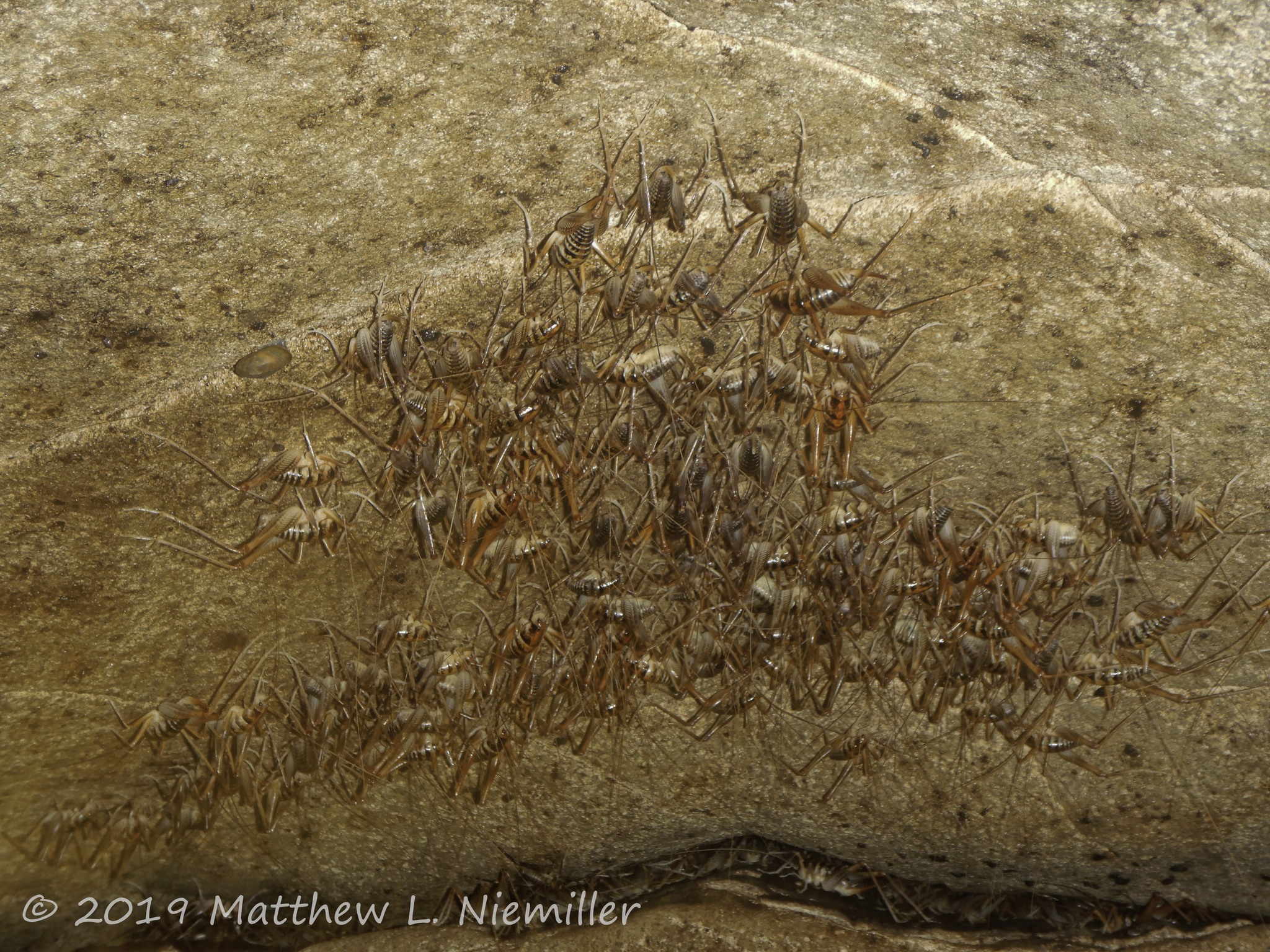
Cave crickets are trogloxenes that prefer caves and dark, moist environments but are not strictly limited to them. They roost in caves during the day, often in large aggregations, for shelter and protection from predators, then venture outside at night to forage on the surface. They prefer areas near cave entrances and twilight zones where some moisture and organic material are available.
Ecology & Life History
Cave crickets play a remarkably important ecological role as nutrient and energy transporters. By foraging on the surface at night and returning to roost in caves, they carry energy from the outside world underground in the form of their bodies and droppings. Their guano (i.e., feces) fertilizes cave floors and feeds fungi and bacteria that support the terrestrial cave food web. They are omnivores that feed on fungi, dead plant material, and sometimes dead animals. They are also a major food source for cave salamanders, spiders, and other predators.
Conservation Status & Threats
Most cave cricket species are of high conservation concern, and populations are usually stable. However, they are sensitive to habitat loss around cave entrances, such as clearing of forest cover, changes to local hydrology, or sealing of cave openings. Disrupting cave cricket populations can have cascading effects on the entire cave ecosystem, since many cave animals depend on them as both a food source and a nutrient input.